Mumbai, Maharashtra, India +91-8047528682 GST Verified: 27AALHS2479A1Z0 92% Buyer Response Rate

CE Certified Vacuum Flask Factories & Suppliers

Technical Whitepaper & Global B2B Procurement Guide for OEM/ODM Double-Wall Stainless Steel Thermal Vessels & Vacuum Insulated Containers

CE EN12546
Certified Compliance
>24 Hours
Thermal Retention
SS304/316
Food-Grade Alloys
92%
Buyer Response Rate

Executive Showcase: CE-Certified Thermal & Vacuum Flask Collections

Direct factory procurement of precision-engineered double-wall vacuum vessels, tableware, and insulated hydration systems built for international importers and commercial buyers.
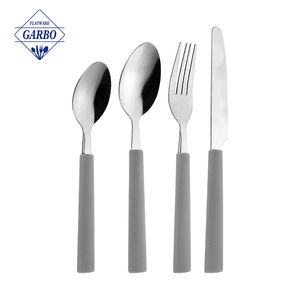
CE Certified CE Certified Ergonomic Vacuum Travel Flask with Plastic Accents

Ergonomic Vacuum Travel Flask

  • Material: SS 304 Inner / SS 202 Outer
  • Thermal Standard: Hot >65°C (12 hrs)
  • Liner: Electropolished Food-Grade
Contact Us
Mirror Finish Mirror Polished Stainless Steel Executive Vacuum Carafe Set

Mirror Executive Vacuum Carafe

  • Polish: High-Gloss Mirror Finish
  • Certification: CE / LFGB Food Safe
  • Capacity: 750 ml - 1.5 Liters
Contact Us
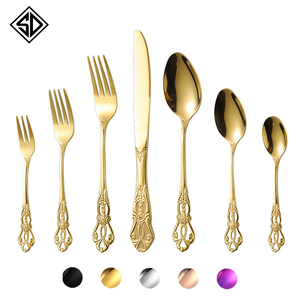
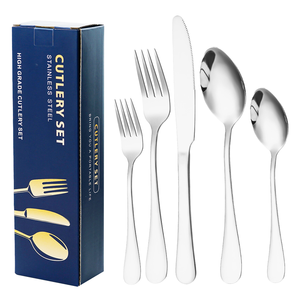
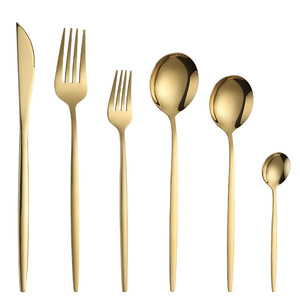
HoReCa Grade Bulk Luxury Insulated Tableware & Vacuum Server Set for Hotels

Luxury Hotel Thermal Flask & Cutlery

  • Plating: PVD Gold / Titanium Coating
  • Grade: SS 304 High-Nickel Alloy
  • Use: Hotel, Restaurant, Catering
Contact Us
Matte Modern Matte Finish Modern Stainless Steel Thermal Water Bottle

Modern Matte Insulated Hydration Bottle

  • Coating: Scratch-Resistant Powder
  • Vacuum: Double-Wall Copper Plated
  • Cap: Leak-Proof Silicone Seal
Contact Us
Baroque Luxury Vintage Gold Baroque Insulated Vacuum Pitcher & Server

Royal Vintage Insulated Thermal Pitcher

  • Design: Classic Baroque Relief
  • Insulation: High-Vacuum Insulation
  • Occasion: Wedding & Banquets
Contact Us
Ultra Durable Heavy-Duty Dishwasher Safe Stainless Steel Thermal Mug

Heavy-Duty Stainless Outdoor Flask

  • Impact: Reinforced Outer Shell
  • Dishwasher: Commercial Safe
  • Retain: Cold <8°C up to 24 Hours
Contact Us
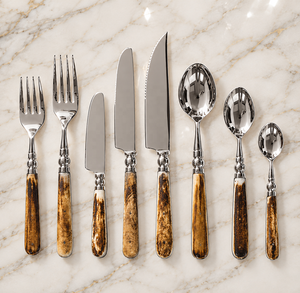
Classic Accent Classic Wood Grain and Stainless Steel Combination Vacuum Tumbler

Classic Wood-Grain Thermal Vessel

  • Handle: Ergonomic Composite Resin
  • Inox Grade: SS 304 Austenitic Steel
  • Market: Euro & North America OEM
Contact Us
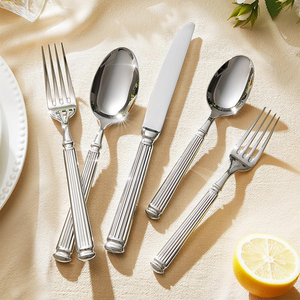
Nordic Series Nordic Gold Ribbed Vacuum Flask & Tableware System

Nordic Gold Ribbed Thermal Carafe

  • Structure: Roman Pillar Textured Wall
  • Testing: 100% Vacuum Leak Test
  • Standards: CE, FDA, DGCCRF
Contact Us

Manufacturing Excellence & Corporate Infrastructure

Combining decades of precision stainless steel fabrication from Mumbai's industrial hub with advanced double-wall vacuum isolation technologies under the leadership of Kekin Shah (Parin Steels).

Deep Metallurgical Expertise

We work exclusively with certified food-contact raw materials including SS 201, SS 202, SS 304 (18/8 Chromium-Nickel alloy), and medical-grade SS 316. Our raw coils undergo strict spectrometry verification prior to hydraulic pressing and deep drawing.

CE EN 12546-1 Compliance

Every vacuum flask and thermal carafe batch leaving our factory is tested against European Union CE EN 12546-1 guidelines for thermal insulation, pour efficiency, lid tightness, and mechanical stability under high pressure.

Strategic Export Logistics Hub

Based at Panjrapole Road, Mumbai (GST Verified: 27AALHS2479A1Z0), our facilities offer immediate proximity to Nhava Sheva (JNPT) container port, dramatically reducing inland transit times for full container load (FCL) export shipments worldwide.

Industry Whitepaper: The Physics of High-Performance Double-Wall Vacuum Flasks

In modern industrial procurement, evaluating a CE Certified Vacuum Flask Supplier requires analyzing thermal performance metrics beyond standard surface aesthetics. A commercial vacuum vessel maintains temperature by eliminating the three modes of heat transfer: conduction, convection, and thermal radiation.

Key Engineering Finding: Applying a micro-thin copper plating layer (0.02mm) on the outer wall of the inner SS 304 liner reflects up to 95% of infrared thermal radiation back into the liquid, extending heat retention by up to 35% compared to non-copper-plated vacuum bottles.

The manufacturing process starts with dual-cylinder assembly. The inner liner (typically 0.4mm to 0.5mm 18/8 stainless steel) and the outer casing (0.5mm to 0.6mm steel sheet) are hydroformed, laser-welded at the rim, and placed into a specialized vacuum degassing furnace. Here, atmospheric pressure between the walls is evacuated to 10⁻³ Pa (Pascal) at temperatures exceeding 500°C for 4 continuous hours to burn off residual hydrocarbons and moisture.

Stainless Steel Grade Chemical Composition (Cr / Ni / Mo) Corrosion Resistance Optimal Thermal Application
SS 202 Inox 16-18% Cr / 0.5-1.5% Ni / 7.5% Mn Standard (Dry storage & non-acidic) Budget outer casings, dry food containers, value thermal ware.
SS 304 (18/8) 18-20% Cr / 8-10.5% Ni / 0% Mo High (Resists water, tea, coffee, milk) Standard food-grade inner liners for CE-marked vacuum flasks.
SS 316 (Medical) 16-18% Cr / 10-14% Ni / 2-3% Mo Superior (Resists salts, acids, carbonated drinks) Premium infant flasks, sports nutrition vessels, acidic beverage flasks.

Thermal Decay Testing (EN 12546-1 Test Protocol)

Under CE EN 12546-1 standard testing conditions, flasks are filled to capacity with boiling water at 95°C and kept in a controlled ambient room temperature of 20°C ± 2°C. To achieve certification compliance:

  • 6 Hours Retention: Liquid temperature must remain above 78°C.
  • 12 Hours Retention: Liquid temperature must remain above 68°C.
  • 24 Hours Retention: Liquid temperature must remain above 52°C.

Future Sourcing & Tech Trends in Vacuum Flask Manufacturing

Insights into shifting regulatory frameworks, consumer habits, and industrial manufacturing innovations shaping global B2B procurement over the next decade.

1. IoT Smart Temperature Display Caps

Importers are increasingly specifying thermal lids embedded with real-time digital LED touch screens, NTC temperature sensors, and rechargeable lithium batteries. These caps alert users to liquid temperatures without breaking the internal vacuum seal.

2. Ultra-Light Weight Reduction Technology

Through high-precision hydraulic stretch forming and wall thinning (reducing stainless inner wall thickness to 0.24mm while maintaining structural integrity), next-generation flasks achieve a 30% weight reduction without compromising thermal endurance.

3. Eco-Friendly Powder Coating & Zero Lead

Driven by EU Green Deal compliance, factories are abandoning traditional liquid painting in favor of zero-VOC electro-static powder coatings. Additionally, traditional lead sealing beads are completely replaced by Advanced Lead-Free Glass-Seal Technology.

End-to-End OEM/ODM Manufacturing Roadmap

How Parin Steels executes custom vacuum flask production—from initial CAD prototyping to final helium mass spectrometer leak detection.

01

3D CAD & Tooling

Custom flask shape, rim radius, and lid thread engineering designed according to client capacity specifications.

02

Double-Wall Drawing

Automatic power presses shape SS 304 inner and outer shells with zero micro-cracks or gauge thinning.

03

Vacuum Evacuation

High-vacuum baking furnace removes all gas molecules between walls at 500°C for 4 hours.

04

Helium Leak Test

100% of finished flasks pass automated helium sensing to ensure zero thermal decay over multi-year usage.

Frequently Asked Questions for Bulk Importers

Essential guidance on certifications, minimum order quantities, customization options, and material testing.

What specific tests are required for CE Certification on vacuum flasks?
CE certification for thermal cookware and vacuum vessels relies on the European Standard EN 12546-1 (for domestic containers) and EN 12546-2 (for insulated bags/chests). Key mandatory tests include:

1. Thermal Performance Test: Verifying water stays above specified threshold after 6, 12, and 24 hours.
2. Seal Leakage Test: Inverting the filled flask at 60°C for 15 minutes to guarantee zero fluid loss.
3. Pouring Efficiency: Ensuring non-drip liquid flow without pooling around the gasket.
4. Handle / Strap Impact Strength: Testing mechanical stress when the vessel is filled to maximum capacity.
5. Food Contact Safety: EU Regulation (EC) No 1935/2004 testing for heavy metal leaching (Lead, Cadmium, Chromium, Nickel).
What is the technical difference between SS 202, SS 304, and SS 316 vacuum liners?
SS 304 (18/8 Stainless Steel) contains 18% Chromium and 8% Nickel, forming an inert chromium oxide surface layer that prevents rust and food contamination. It is the international standard for food-grade vacuum flasks.

SS 316 (18/10/2 Stainless Steel) adds 2-3% Molybdenum, providing exceptional resistance against chloride pitting and acidic liquids like fruit juices, energy drinks, and coffee.

SS 202 replaces nickel with manganese; while visually polished and durable, it is best utilized for outer flask shells or secondary structural elements rather than direct food contact liners in high-acid markets.
How are bulk vacuum flask orders priced and shipped from India?
Bulk stainless steel utensils and vacuum flasks from India are calculated based on raw material coil weight (per kilogram) or as finished unit prices (per piece/set) depending on OEM customization, copper plating additions, and box packaging.

Our production base in Mumbai allows fast sea freight container loading directly through Nhava Sheva (JNPT) Port, facilitating efficient export shipment to Europe, the Middle East, North America, and Southeast Asia.
Can custom logos, surface colors, and packaging be applied?
Yes. We offer extensive OEM/ODM customization options including:
  • Logo Branding: Fiber laser etching, screen printing, 3D embossing, or water decal printing.
  • Surface Finishes: Electro-static powder coating, matte rubberized spray, gradient electroplating, and mirror polishing.
  • Packaging Solutions: Custom color gift boxes, corrugated export cartons, and eco-friendly plastic-free paper sleeves.
What causes a vacuum flask to lose its thermal insulation over time?
Vacuum breakdown typically occurs due to micro-fractures in the weld seam caused by heavy impact drops, or due to outgassing of internal trace elements if the degassing furnace did not reach sufficient evacuation temperatures during production. Parin Steels prevents vacuum degradation by utilizing automated laser welding and conducting a 100% 24-hour temperature holding test on every single unit prior to packaging.
What is the standard Minimum Order Quantity (MOQ) for custom factory orders?
For standard catalogue items in stainless steel finishes, MOQs start as low as 500 units. For custom PMS color-matched powder coatings or proprietary tool mold designs, the typical MOQ ranges between 1,000 to 3,000 units per specification. Contact our sales department to discuss flexible trial container options.

Partner with a Certified Vacuum Flask Manufacturer

Consult directly with our engineering team for custom OEM/ODM designs, technical compliance dossiers, and competitive FOB/CIF container quotes.