
Parin SteelsStainless Steel Kitchenware Manufacturer
Explore export-ready food storage solutions, thermal totes, and eco-friendly bento containers engineered for international brand owners, wholesalers, and retail distributors.
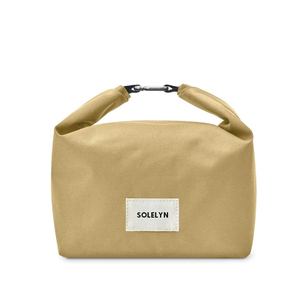
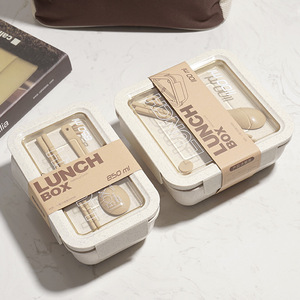
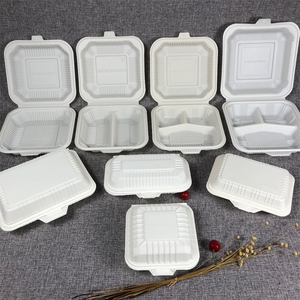
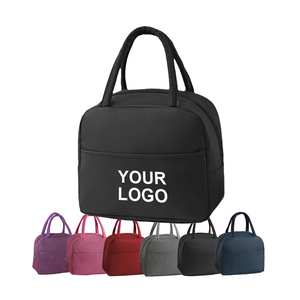
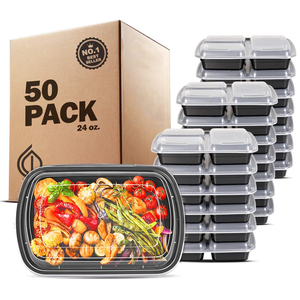
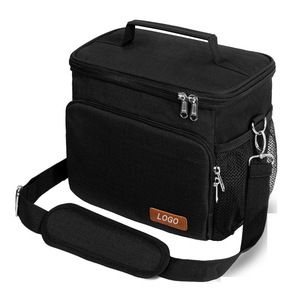
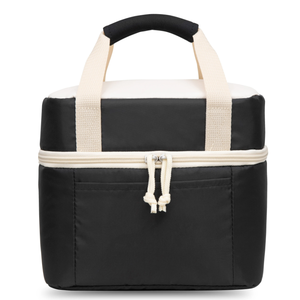
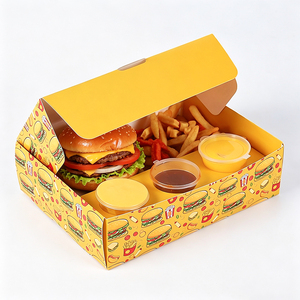
As a top-tier Chinese lunch box manufacturer and global OEM exporter, our operations are built on stringent material compliance, advanced automated molding lines, and agile B2B fulfillment.
Navigating global regulatory frameworks requires selecting the precise material specification for your target market. Below is our comprehensive engineering audit of modern lunch box substrates.
| Substrate / Category | Thermal & Mechanical Specs | Food Safety Compliance | Best Suited Market Segment | Eco/Recyclability Rating |
|---|---|---|---|---|
| BPA-Free Food-Grade PP | Microwave safe (-20°C to 120°C), crack-resistant, light fat loss seal | FDA, LFGB, EU No. 10/2011 Certified | Everyday Office & Student Japanese Bento Sets | 100% Recyclable (Code 5) |
| Austenitic Stainless Steel (SS304/SS316) | Ultra-durable, zero taste transfer, high impact resistance | Heavy-metal leaching test compliant (DGCCRF / FDA) | Premium Leakproof Bento & Heavy Duty Commercial Use | Infinite Lifecycle / Highly Sustainable |
| Cornstarch & PLA Bio-Composites | Biodegradable clamshell packaging, hot oil & water resistant up to 100°C | OK Compost Home, ASTM D6400 certified | Fast Food Takeout, Disposable Eco Catering, Togo Packaging | Commercial Compostable (90-180 Days) |
| 600D Oxford + PEVA Thermal Foam | Triple-layer insulation, keeps cold/hot for 4–8 hours, leakproof liner | REACH, Prop 65 Phthalate-free compliant | Promotional Coolers, Office Thermal Totes, School Picnic Bags | Reusable / High Longevity |
Strategic insights for international procurement directors, OEM brand managers, and supply chain executives positioning for the next decade.
Global regulatory shifts—including the EU Single-Use Plastics Directive and stringent US state-level packaging mandates—are driving procurement away from conventional polystyrene toward cornstarch PLA, sugarcane bagasse, and recycled PP (rPP). Forward-thinking buyers are securing contracts with Chinese manufacturers offering verified carbon-footprint metrics and bio-based content certifications.
Consumer demand for meal-prepping and multi-compartment portion control has made leak-free reliability non-negotiable. Modern Chinese production lines incorporate co-injection molding with liquid silicone rubber (LSR). Integrated steam-release valves enable seamless microwave heating without removing lids, satisfying modern urban convenience demands.
With international ocean freight volatility, packaging design is now directly tied to supply chain margin. Chinese factory engineering teams prioritize nestable container profiles and collapsible silicone structures that increase unit density per 40ft HQ container by up to 35%, drastically lowering per-unit landed costs for overseas distributors.
How leading Chinese lunch box suppliers are deploying state-of-the-art automation and advanced materials engineering to maintain competitive advantage.
Tier-1 factories utilize fully automated Japanese and European injection molding machinery equipped with robotic arm extraction systems. This ensures microscopic dimensional tolerances (±0.05mm), eliminating lid slippage, warpage during hot-fill operations, and structural failure under load stress.
In the textile and soft-bag segment (Oxford thermal totes and cooler boxes), modern facilities have transitioned from traditional stitching to ultrasonic hot-press sealing for interior PEVA liners. This guarantees 100% leakproof performance even when filled with melted ice water.
When auditing a Chinese lunch box manufacturer, professional buyers enforce strict quality control milestones across four distinct phases of production:
Verification of raw plastic pellets (PP, PS, ABS) using melt flow index (MFI) testers. Stainless steel coils undergo X-ray fluorescence (XRF) spectroscopy to confirm exact nickel and chromium ratios before stamping.
Real-time monitoring of molding temperature curves, clamp pressure, and seal lid fitment. Automated drop-impact testing from 1.2 meters to ensure zero structural fracturing.
Bento boxes are pressure-tested upside down for 24 hours filled with colored liquid. Thermal bags undergo calibrated environmental chamber testing to verify heat decay curves.
AQL 2.5 Major / 4.0 Minor visual sampling inspection. Verification of export carton burst-strength (ECT) and barcode readability for international Amazon FBA or retail distribution.
Essential operational answers for brand sourcing agents, importers, and supply chain managers working with Chinese lunch box factories.
MOQ depends on the manufacturing technique and customization level. For ready-to-ship stock items with custom silk-screen logo printing, MOQs start as low as 500–1,000 units. For custom Pantone color injection molding or bespoke tooling designs, standard factory MOQs typically range between 3,000 and 5,000 units per mold configuration.
Leading Chinese factories maintain ISO9001 and BSCI certifications and routinely supply third-party testing reports from SGS, TÜV Rheinland, or Intertek. Products undergo rigorous migration testing (EU No. 10/2011), BPA/BPS-free chemical screening, and FDA 21 CFR food contact safety evaluations to guarantee compliance upon customs entry.
Rapid 3D printed functional prototypes are completed in 3–5 business days. Full steel injection mold fabrication requires 25 to 35 calendar days. Following mold approval and initial T1 sample sign-off, mass production lead times generally range between 20 and 30 days depending on order volume and packaging complexity.
Yes. We specialize in consolidated FCL (Full Container Load) fulfillment. Overseas buyers frequently combine plastic bento boxes nested inside Oxford thermal tote bags, alongside disposable cornstarch meal prep containers to optimize container cubic space (CBM) and minimize overall logistics costs.
Standard commercial terms offered include FOB (Free on Board Ningbo/Shenzhen/Shanghai), CIF, and DDP (Delivered Duty Paid) for direct-to-warehouse delivery. Payment terms generally follow the industry standard of 30% T/T deposit upon order confirmation and 70% balance against Bill of Lading (B/L) copy or Irrevocable Letter of Credit (L/C at sight).
Insulated totes utilize high-density EPE foam core walls with seamless hot-pressed PEVA linings, preventing liquid penetration even under hydrostatic pressure. Rigid lunch boxes incorporate high-grade food silicone gaskets combined with heavy-duty snap-locking latches that undergo 10,000-cycle mechanical fatigue testing.
Elevate your product catalog with certified food-grade materials, custom brand engineering, and factory-direct wholesale pricing. Contact our engineering and sourcing team today for instant quotes and product samples.
Contact Us