
Parin SteelsStainless Steel Kitchenware Manufacturer
Explore export-grade bento containers, food-contact stainless steel compartment trays, and custom-tailored cutlery sets manufactured directly in our certified facilities for global importers, distributors, and HoReCa brands.
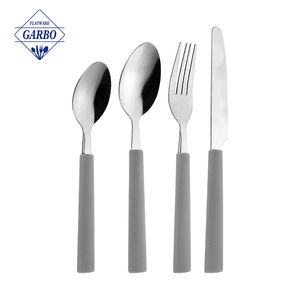
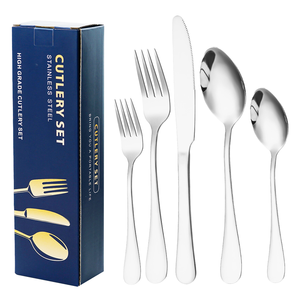
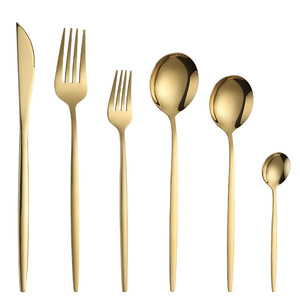
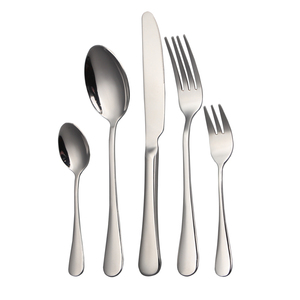
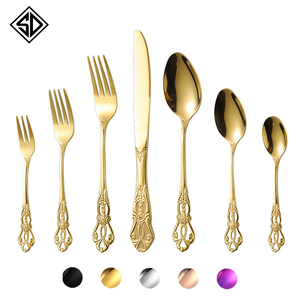
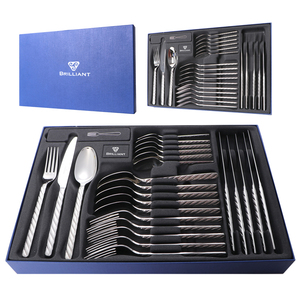
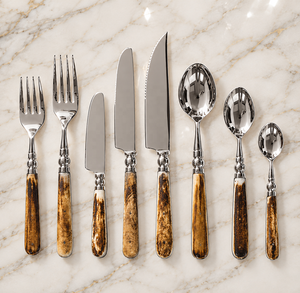
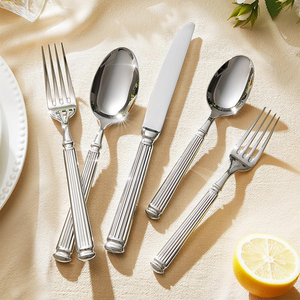
The global reusable meal container and bento box market is experiencing an unprecedented structural shift. Driven by single-use plastic bans across the European Union (Directive 2019/904), North American municipal eco-mandates, and a rapid rise in consumer meal-prepping habits, the industry has transitioned from disposable polypropylene solutions to high-durability, food-grade SS 304 stainless steel, food-safe silicone, and BPA-free engineered polymer bento systems.
Commercial procurement officers, retail brand managers, and HoReCa meal-delivery buyers must evaluate original equipment manufacturers (OEMs) and original design manufacturers (ODMs) not merely on unit cost, but on critical technical benchmarks: thermal retention engineering, leak-proof perimeter seals, automated deep-drawing precision, corrosion resistance under acidic food exposure, and strict regulatory compliance (FDA, LFGB, EU Regulation No 10/2011).
Based on global export volume, tooling versatility, raw material traceability, quality assurance protocols, and OEM manufacturing capability, we have benchmarked the top 10 bento box manufacturing plants worldwide.
Founded by industry leader Kekin Shah, Parin Steels has established itself as an authoritative manufacturing force in high-durability stainless steel kitchenware, dinner sets, airtight storage containers, and custom bento compartment tray systems. Operating out of Mumbai's historic industrial hardware corridor, Parin Steels specializes in deep-drawn stainless steel food containers ranging from 18 gauge to 22 gauge thickness across SS 201, SS 202, SS 304, and surgical-grade SS 316 steel.
The factory stands out for its direct-from-mill raw material sourcing, automated edge-curling, electro-polishing, and mirror-finish capabilities. Their product portfolio extends seamlessly from traditional Indian multi-tier tiffin dabbas to modern multi-compartment leak-proof bento systems engineered for North American and European importers. With proximity to Mumbai's Nhava Sheva (JNPT) sea port, Parin Steels provides exceptional freight logistics efficiency, rapid custom die prototyping, and verified 92% buyer response efficiency.
Monbento revolutionized the Western European lunchbox market by infusing traditional Japanese bento aesthetics with French ergonomic design. Specializing in high-grade PBT polymer injection molding and insulated double-walled stainless steel bento containers, Monbento focuses on premium consumer retail channels. Their manufacturing facilities emphasize soft-touch rubberized exterior coatings, hermetic silicone seals, and microwave-safe modular inserts.
Operating since 1925 in the renowned Yamanaka lacquerware region of Japan, Takenaka blends historic artisan painting techniques with modern eco-friendly materials. The company's manufacturing process utilizes post-consumer recycled PET bottles converted into food-safe synthetic resins, finished with hand-applied glossy or matte lacquer. Takenaka is ideal for luxury department stores seeking authentic Japanese heritage bento boxes.
Bentgo dominates the North American consumer e-commerce and big-box retail space. Utilizing co-molded rubberized bumpers, latch-locking outer shells, and removable multi-compartment tray inserts, Bentgo's supply chain is built for high-volume automated injection molding. Their OEM production lines maintain strict CPSIA and FDA compliance for pediatric food-contact items.
Yumbox holds pioneer patents for single-lid leakproof bento boxes designed to hold thick liquids like yogurt and dips without cross-contaminating adjacent compartments. Manufacturing focuses on precise compression-molded silicone lid liners aligned perfectly with ABS exterior shells and Tritan clear inner trays.
Elephant Box caters to the plastic-free, zero-waste European market with robust 304 food-grade stainless steel bento canisters, deep containers, and clip-seal lunchboxes. Their manufacturing partners focus on heavy-gauge stainless steel roll-rims, high-durability wire latch clamps, and food-grade silicone ring seals engineered for zero plastic contact.
PlanetBox is celebrated for its distinctive suitcase-style stainless steel bento systems. Fabricated using high-tonnage progressive press stamping, PlanetBox containers feature integrated stainless steel hinges, latching clasps, and modular silicone pod inserts. Their products are designed to last decades without structural degradation.
Concentrated in southern China, these massive industrial clusters provide private-label injection molding and rapid tooling for global retail chains. Equipped with dual-shot injection machinery and vacuum insulation welding equipment, they produce low-cost electric heating bento boxes and multi-layer plastic lunch units for promotional sales.
Focusing on high-tech office workers, Shenzhen-based manufacturers lead the market in self-heating electric bento boxes. Utilizing Positive Temperature Coefficient (PTC) ceramic heating elements integrated with food-safe SS 304 removable inner liners, these factories specialize in small household appliance electronics paired with bento storage hardware.
ECOlunchbox pioneered the plastic-free lunchbox movement in North America. Their design philosophy relies on combining high-finish stainless steel containers with leak-proof, food-grade molded silicone lids inspired by ocean elements. Their supply chain emphasizes ethical auditing, zero plastic packaging, and B-Corp certification compliance.
Selecting the optimal raw material substrate and sheet gauge is critical when engineering bento boxes for commercial durability, weight minimization, and cost control. Below is an engineering comparison matrix for B2B procurement managers:
| Material Grade | Metallurgical Composition | Corrosion Resistance | Ideal B2B Application | Relative Cost |
|---|---|---|---|---|
| SS 201 / SS 202 | 17-19% Cr, 4-6% Ni, High Mn | Moderate (Dry / Daily Use) | Budget Tableware, Value Retail Bento, Outer Shells | Economic (Base Level) |
| SS 304 (18/8) | 18% Cr, 8% Ni | High (Acidic Foods, Salts, Dishwasher) | Standard European/US Food-Contact Trays & Bento Inserts | Mid-High (Industry Standard) |
| SS 316 (18/10+Mo) | 16-18% Cr, 10-14% Ni, 2-3% Molybdenum | Superior (Chloride & Harsh Chemical Resistance) | Medical Grade, Premium Insulated Storage, Coastal Distribution | Premium Grade |
| Tritan (Copolyester) | BPA-Free Polymer Resin | Chemical Resistant, Shatterproof | Clear Inner Compartment Trays, Kids Bento Shells | Moderate |
| Food Silicone | Organosilicon Polymer | Thermal Stable (-40°C to +230°C) | Hermetic Perimeter Seals, Flexible Lid Membranes | Moderate per Gram |
The structural rigidity of a metal bento box depends directly on the sheet steel gauge used during hydraulic press forming:
Cutting out intermediary trading companies and contracting directly with vertically integrated manufacturing plants like Parin Steels unlocks significant strategic advantages for global brands and wholesale importers:
Direct access to toolmakers allows custom compartment layouts, embossed branding, and proprietary dimensions without astronomical NRE die costs.
Factory mill certificates confirm exact chromium, nickel, and manganese content (SS 202 vs 304 vs 316), protecting your brand from regulatory rejection.
Benefit from traditional Indian metal utensil pricing evaluated per kilogram for deep-drawn stock, or structured per-piece pricing for complete bento sets.
Located in Mumbai with direct access to Nhava Sheva (JNPT) container terminals, facilitating rapid FCL and LCL ocean shipments to EU, US, and Middle East ports.
Experienced technical sales staff ensure instant RFQ turnarounds, accurate CAD drawing confirmations, and seamless export documentation assistance.
As global supply chains adapt to tighter environmental regulations and shifting consumer expectations, forward-thinking sourcing executives must track four key industry macro-trends:
Consumer preference is tilting strongly toward double-walled vacuum insulated bento boxes that keep hot meals warm for 6-8 hours without requiring microwave heating. Automated laser welding and high-vacuum evacuation ovens are now standard core competencies for top-tier factories.
To pass strict European Extended Producer Responsibility (EPR) requirements, manufacturers are replacing composite plastic latches with 100% stainless steel wire clamps and food-grade removable silicone gaskets that can be easily separated for recycling.
Post-pandemic hygiene concerns have driven demand for silver-ion antimicrobial additives embedded directly into silicone lid gaskets and outer polymer bumper guards, preventing mold and bacterial proliferation in food storage crevices.
Leading B2B suppliers now offer high-speed fiber-laser engraving directly at the packaging line, allowing corporate buyers, gift distributors, and retail brands to order custom-branded bento boxes with low minimum order quantities.
For inner food-contact compartments and plates, SS 304 (18/8) is the global standard required for FDA and LFGB compliance due to its excellent resistance to food acids and moisture rust. For dry storage, budget retail outer shells, or promotional items, SS 202 offers a bright mirror polish at a reduced material cost.
Bulk metal utensils and basic containers from Indian manufacturing hubs are typically calculated per kilogram of finished net weight. Complex multi-piece bento sets, leakproof silicone-sealed boxes, and customized cutlery sets are quoted on a per-piece or per-set basis depending on die complexity, gauge, finish, and packaging requirements.
For high-end commercial use, 18 gauge (~1.2 mm) provides maximum resistance against heavy impact. For balanced consumer retail, 20 gauge (~0.9 mm) offers an optimal blend of structural rigidity and elegant hand-feel. For budget high-volume retail lines, 22 gauge (~0.7 mm) keeps shipping weight low while maintaining structural integrity.
Yes. Manufacturers with wide product lines (plates, topes, saucepans, canisters, flatware, and bento boxes) allow importers to consolidate multiple SKUs into a single 20ft or 40ft ocean container. Nesting smaller bowls and containers inside larger bento units maximizes volumetric shipping efficiency.
Importers should request heavy metal leaching test reports (Lead, Cadmium, Nickel release) under European Resolution CM/Res(2013)9 or US FDA Compliance Policy Guides, alongside raw material spectro-analysis mill test certificates.
Contact our engineering and export team today to receive direct factory quotes, raw material specification sheets, custom die estimates, and sample kits.