
Parin SteelsStainless Steel Kitchenware Manufacturer
High-precision tinplate, aluminum, and steel containers tailored for edible oils, motor lubricants, and high-purity chemical storage.
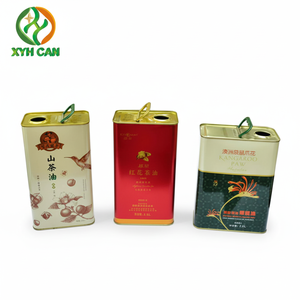
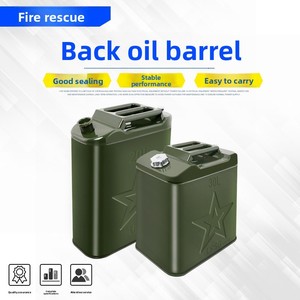
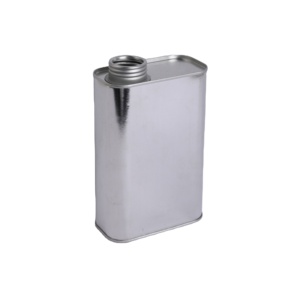
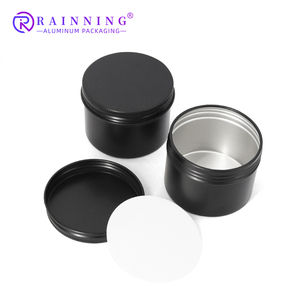
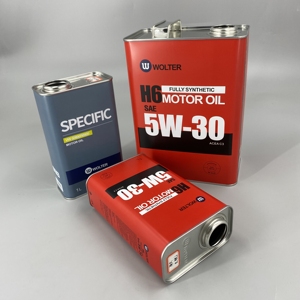
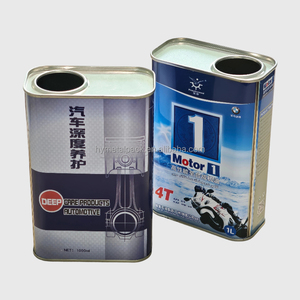
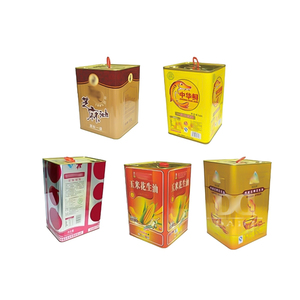
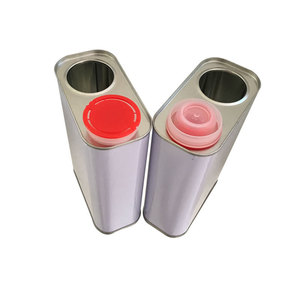
In the global supply chain for liquid packaging, metal oil canisters—fabricated from prime electrolytic tinplate (ETP), cold-rolled galvanized steel (GI), and seamless aluminum—represent the benchmark for barrier integrity, mechanical stability, and circular economy compliance. As corporate buyers transition away from single-use high-density polyethylene (HDPE) containers due to volatile hydrocarbon permeation, microplastic leeching, and global ESG legislation, Chinese manufacturing hubs have consolidated their status as prime international exporters.
Modern B2B procurement demands a rigorous evaluation of metallurgy, structural engineering, hermetic sealing mechanisms, and interior passivation technologies. China's leading canister manufacturers leverage integrated steel mill eco-systems (incorporating Baosteel and Shougang feedstocks) to deliver high-speed, fully automated output meeting stringent UN, ISO 9001:2015, FDA, and EU food-contact mandates.
Information Gain Insight: Unlike standard plastic packaging, high-grade tinplate metal canisters feature a Zero-Oxygen-Transmission Rate (OTR) and complete light-blocking (UV protection). This extends the shelf-life of extra virgin olive oils by up to 300% and prevents thermal breakdown in synthetic engine lubricants.
Selecting the appropriate substrate determines structural resilience against hydrostatic pressure spikes during ocean transit and long-term chemical compatibility with target fluids.
| Metal Substrate | Typical Gauge / Thickness | Corrosion Passivation | Target Fluid Application |
|---|---|---|---|
| Electrolytic Tinplate (ETP) | 0.21 mm – 0.38 mm | Passivated Tin Layer (2.8/2.8 g/m²) + Organosol Varnish | Edible Olive Oils, Engine Oils, Solvents |
| Galvanized Steel (GI) | 0.60 mm – 1.20 mm | Hot-Dip Zinc Coating (Z120 - Z275) | Emergency Fuel, Military Logistics, Off-road Reserves |
| Seamless Aluminum (AL 99.5) | 0.40 mm – 0.80 mm | Anodized + Epoxy-Phenolic Inner Liner | Essential Oils, High-Value Aromatics, Additives |
| Tin-Free Steel (TFS / ECCS) | 0.20 mm – 0.32 mm | Chromium / Chromium Oxide Layer | General Industrial Lubricants, Dry Chemicals |
The structural superiority of top-tier Chinese oil canisters relies on advanced double and triple-seam technologies. Canister bottoms and tops undergo multi-stage die forming where the body hook and end hook interlock around a specialized synthetic rubber gasket compound.
Five-layer metal folds at top and bottom joints withstand internal pressures exceeding 2.5 Bar without structural deformation.
Integrated directional air-venting spouts eliminate vacuum chatter, ensuring smooth, non-splash liquid evacuation.
Non-intent Bisphenol-A internal varnishes compliant with EU 10/2011 prevent metallic ion migration into edible oils.
International supply chains face evolving legislative and consumer pressures. B2B buyers looking to optimize their canister procurement strategies must consider three macro developments currently transforming Chinese manufacturing lines:
By employing Double Reduced (DR) tinplate temper grades (DR8 to DR9), manufacturers reduce container weight by 15-20% while retaining structural stacking strength. This significantly cuts international container shipping costs.
Traditional offset printing is rapidly yielding to direct-to-metal UV digital printing. This technology allows short-run customization, anti-counterfeiting micro-text, and dynamic QR traceability for premium retail brands.
Tinplate and aluminum canisters boast global recycling rates exceeding 80%. Unlike multi-layered plastic films or composite bottles, steel can be infinitely reclaimed via magnetic separation without quality degradation.
Importers of industrial solvents and motor oils are mandating UN-certified 1A1 (non-removable head steel drum/can) or 3A1 (steel jerrican) ratings directly from OEM exporters to avoid customs holds at destination ports.
As an established manufacturing powerhouse, our production facilities utilize Swiss Soudronic high-speed automatic body seam welders, Italian Crabtree offset printing presses, and automated inline visual defect inspectors. Every unit off the assembly line undergoes rigorous quality control.
Dual-station automatic air testing subjects 100% of manufactured canisters to differential pressure detection, guaranteeing zero micro-leaks prior to packing.
Batch samples are subjected to 240+ hours of continuous neutral salt spray (NSS) testing to verify exterior varnish coating density and rust prevention under maritime logistics environments.
Full-container drop testing from heights up to 1.8 meters ensures seams retain structural integrity during rugged handling and multi-tier pallet warehousing.
Our food-grade tinplate canisters are manufactured using prime ETP compliant with US FDA 21 CFR 175.300 and European Regulation (EU) No 10/2011. Interior lacquers utilize gold epoxy phenolic or organosol coatings verified to be free of Bisphenol-A (BPA-NI) and heavy metals, passing total migration testing for fatty food contact.
Tinplate canisters provide an absolute hydrocarbon barrier, preventing volatile organic compound (VOC) loss and bottle panelling/collapse caused by temperature fluctuations. Furthermore, tinplate supports superior offset lithographic branding, presents a premium aesthetic on retail shelves, and is 100% recyclable without downcycling.
Standard plain white or unprinted canisters carry an MOQ of 2,000 units. For fully customized 4-color CMYK offset printed canisters, the MOQ typically ranges from 5,000 to 10,000 units depending on the physical dimensions (1L vs 18L), allowing efficient setup of high-speed printing presses.
We supply UN-marked metal jerricans and drums certified under UN 1A1 (non-removable head steel drums) and UN 3A1 (steel jerricans), rated for Packing Groups II and III. Each batch undergoes drop, hydraulic pressure, and stacking tests to issue official UN packaging certificates for sea and air freight.
For water-based fluids or aggressive chemical solvents, we apply a double-coat interior phenolic lining or specify Tin-Free Steel (TFS) with specialized polymer laminations. Our technical team conducts compatibility testing with client liquid samples to select the ideal inner protective barrier.
Canisters are packed using high-burst-strength corrugated master cartons or automated palletization with protective cardboard interlayers, corner protectors, and heavy-duty shrink wrapping. Nesting configurations for conical cans are utilized where applicable to maximize container space utilization.
Connect with our engineering team to review technical drawings, request custom sample production, or download our complete 2025 Industrial Packaging Catalog.