
Parin SteelsStainless Steel Kitchenware Manufacturer
Engineered for maximum hygienic compliance, structural rigidity, and optimal thermal resilience across farm collection and transport networks.
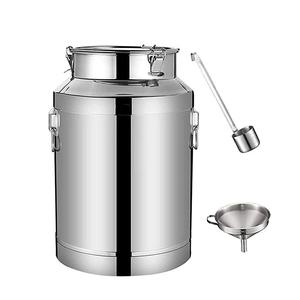
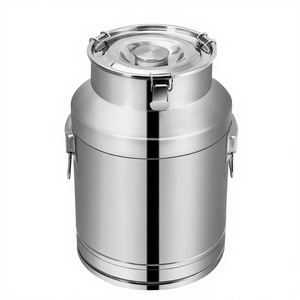
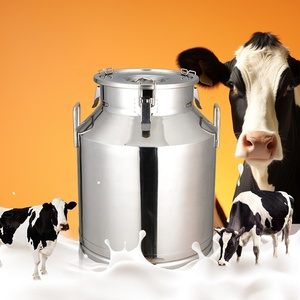
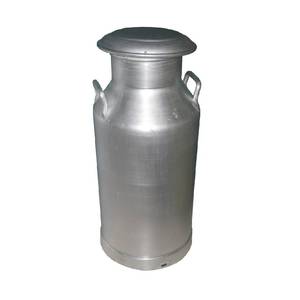
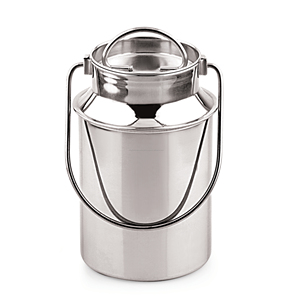
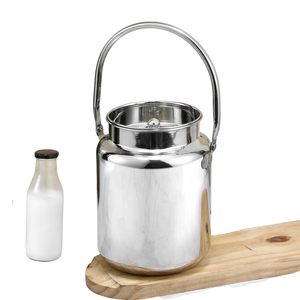
As a global pioneer in stainless steel food preservation equipment and specialized commercial cookware, Parin Steels (operating under the visionary leadership of Kekin Shah in Mumbai, India) has built an unimpeachable reputation as a premier milk can manufacturer and exporter. Situated at the strategic hub of Panjrapole Road, Mumbai, our modern manufacturing facilities leverage direct access to Nhava Sheva (JNPT) container port, facilitating seamless, cost-effective ocean freight dispatch for B2B importers, dairy cooperatives, and institutional distributors across Europe, North America, the Middle East, and Africa.
Our operational architecture integrates state-of-the-art hydraulic deep-drawing presses, robotic TIG/plasma seam welding equipment, and automated electropolishing systems. Unlike conventional trading entities, Parin Steels executes end-to-end quality control—from prime stainless steel coil sourcing (SS 201, SS 202, SS 304, and SS 316) to final pressure testing and custom export packaging. Verified under GST (GSTIN: 27AALHS2479A1Z0) since 2017, our enterprise operates with a dedicated workforce of 26–50 skilled engineers, metallurgists, and quality control specialists committed to zero-defect manufacturing.
Milk procurement ecosystems operate under diverse environmental conditions. To accommodate varying logistics demands, Parin Steels manufactures milk cans and storage buckets across three primary sheet gauge classes:
| Sheet Thickness (Gauge) | Nominal Thickness (mm) | Structural Durability | Primary Industrial Application |
|---|---|---|---|
| 18 Gauge | ~1.2 mm Heavy-Duty | Maximum shock/impact resistance | Rugged rural milk collection, multi-tier truck transit, 20L - 50L heavy containers |
| 20 Gauge | ~0.9 mm Balanced | Optimal strength-to-weight ratio | Commercial dairy plant distribution, medium-capacity buckets (10L - 20L) |
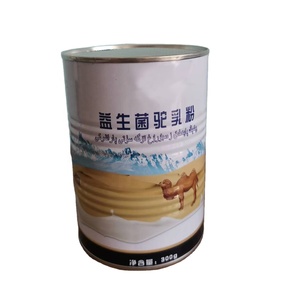
| 22 Gauge | ~0.7 mm Light-Duty | High cost-efficiency for shipping | Retail milk jugs, pantry storage, compact food-grade tinplate powder cans |
The global dairy equipment market is undergoing a structural transition driven by strict food safety regulations (FDA 21 CFR, EU Food Contact Regulation EC 1935/2004), increased cold-chain stringency, and a push toward sustainable, lifetime-reusable metal packaging. Modern procurement directors must evaluate milk cans not merely as static metal vessels, but as critical hygienic control points within cold supply chains.
Eliminates vertical side welds. By pressing a single sheet of austenitic stainless steel into a monolithic cylindrical body, structural stress points are eradicated, eliminating internal weld pits where milk solids accumulate.
Advanced food-grade, vulcanized silicone gaskets coupled with heavy-duty drop-latches prevent liquid spillages during transport over unpaved rural routes, maintaining zero liquid loss and zero external atmospheric contamination.
Equipped with a reinforced base bottom ring that raises the container floor off the ground. This ring absorbs violent floor impacts, reduces friction wear, and guarantees stability on automated conveyor belts.
Selecting the correct stainless steel alloy is paramount for longevity and regulatory compliance. Parin Steels delivers custom material solutions based on chemical composition and operating environment parameters:
| Steel Grade | Chromium (Cr) % | Nickel (Ni) % | Molybdenum (Mo) % | Corrosion & Acid Rating | Recommended Use Case |
|---|---|---|---|---|---|
| AISI 304 (18/8) | 18.0 - 20.0% | 8.0 - 10.5% | — | Excellent (Sanitary Standard) | Global standard for raw milk collection, dairy processing, and international export. |
| AISI 316 | 16.0 - 18.0% | 10.0 - 14.0% | 2.0 - 3.0% | Superior (Acid/Saline Resistant) | High-acid fermented dairy products, coastal transportation, extreme industrial chemical environments. |
| AISI 202 | 16.0 - 18.0% | 4.0 - 6.0% | — | Good (Economic Domestic) | Cost-effective dry food storage, short-distance distribution, budget consumer tableware. |
| Food Grade Tinplate | Fe Base + Sn Coating | — | — | Moderate (Dry/Sealed) | Powdered milk, condensed milk canning, single-use or air-sealed consumer food packaging. |
As large-scale dairy processors, agricultural cooperatives, and multinational food brands upgrade their procurement strategies, several macro-level purchasing trends are reshaping container design requirements:
Modern milk collection networks require real-time visibility. Importers are increasingly requesting milk cans manufactured with pre-embossed mounting brackets or recessed slots designed for heat-resistant RFID tags. These smart milk cans enable automated volume scanning, farmer payout calculations, temperature monitoring, and asset loss prevention across collection centers.
Environmental mandates regarding microplastic leaching into fatty liquids (such as raw milk) have accelerated the phase-out of high-density polyethylene (HDPE) containers. Stainless steel milk cans offer a 20+ year operational lifespan, 100% recyclability, and absolute resistance to chemical degradation during caustic wash cycles.
With global container shipping costs fluctuating, enterprise buyers prioritize milk cans with optimized neck-to-base ratios. Parin Steels designs specialized tapered milk buckets and removable lid architectures that maximize stacking density within 20ft and 40ft High Cube sea containers, reducing landed shipping cost per liter of volume by up to 28%.
Below are authoritative answers to key technical, logistical, and commercial inquiries encountered during bulk milk container procurement.