
Parin SteelsStainless Steel Kitchenware Manufacturer
Explore our top-tier stainless steel steamers, multi-ply cookers, and luxury serveware engineered for commercial kitchens, HORECA procurement, and global retail distribution.
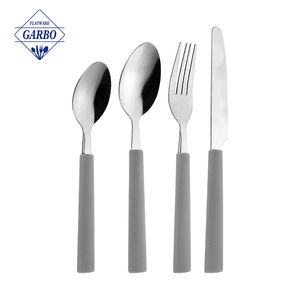
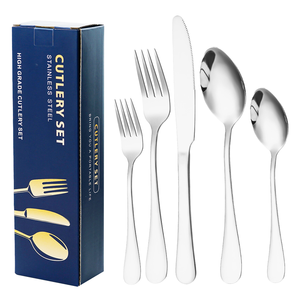
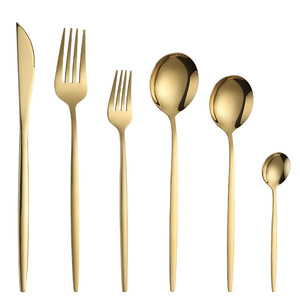
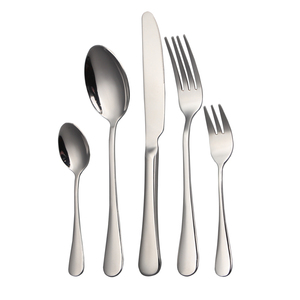
The global commercial and industrial food steamer market is undergoing a structural transition driven by strict food-safety mandates (FDA 21 CFR, LFGB Section 31), demand for energy-efficient multi-tier cooking equipment, and high-tensile stainless steel metallurgy. As commercial catering operations, hotel chains, and retail brand owners seek qualified steamer manufacturers and OEM/ODM factories, evaluating structural integrity, thermal transfer rates, and corrosion resistance becomes paramount.
This industry report outlines the critical engineering standards, metallurgical selection criteria (SS 304, SS 316, SS 202, and Tri-Ply encapsulations), factory audit practices, and strategic procurement trends shaping the 2025–2030 commercial cookware and steamer supply chain.
Leading steamer factories utilize encapsulated heavy-duty aluminum disc bottoms bonded between austenitic stainless steel sheets. This eliminates localized hot spots, reduces thermal lag time by up to 34%, and delivers 100% uniform vapor distribution across multi-tiered food steamer pots.
Commercial steamer pots require heavy-gauge sheet metal forming (18-Gauge / 1.2mm to 20-Gauge / 0.9mm). Advanced hydraulic press lines prevent wall thinning, micro-cracking, and warping under prolonged steam pressure and heat cycles.
Top trusted manufacturers enforce mandatory X-ray Fluorescence (XRF) alloy testing on incoming stainless steel coils. This guarantees exact chromium-nickel ratios (e.g., 18/8 for SS304) and eliminates toxic heavy-metal contamination risks for overseas buyers.
Selecting the optimal alloy composition dictates product longevity, resistance to organic acids, and cost-efficiency. The technical table below breaks down the primary grades utilized across premier steamer factories:
| Steel Grade | Alloy Composition | Corrosion Resistance | Thermal Efficiency | Best Industry Application |
|---|---|---|---|---|
| SS 304 (18/8) | 18% Cr / 8% Ni | High (Acid & Salt Resistant) | Excellent with Tri-Ply Base | Commercial Food Steamers, HORECA Tableware, Heavy Duty Cookware |
| SS 316 (18/10/2) | 18% Cr / 10% Ni / 2% Mo | Superior (Pitting & Chloride Safe) | High Thermal Tolerance | Industrial Steam Sterilizers, Brine Processing, Marine Kitchen Equipment |
| SS 202 | 16-18% Cr / 0.5-4% Ni / 7.5% Mn | Moderate (Dry Storage/Standard Use) | Standard Single-Ply | Budget Retail Cookware, Serving Bowls, Light Household Steamers |
| SS 410 / 13/0 | 11.5-13.5% Cr / 0% Ni (Martensitic) | Basic Corrosion Resistance | Direct Flame Compatible | Steamer Accent Flatware, Commercial Knives, Heavy Stamped Handles |
As global supply chains realign around sustainability and digital manufacturing integration, procurement heads are prioritizing manufacturers that offer transparent, scalable, and technology-driven operations. Key trends shaping future steamer orders include:
With commercial kitchens rapidly transitioning from gas burners to high-efficiency induction hobs, top factories are standardizing magnetic SS 430 friction-welded bases. This allows seamless operation across gas, electric coil, and heavy-duty 3500W commercial induction steam stations.
Energy loss via steam leakage reduces cooking speed and inflates utility expenses for commercial buyers. Next-generation multi-tier steamers incorporate precision CNC-beveled rim channels and food-grade silicone compression seals that seal pressure naturally without dangerous over-pressurization.
Modern B2B importers request modular steamer insert baskets, perforated stockpot trays, and interchangeable tempered glass or metal lids. Factories offering standardized tooling dies lower initial client mold investment costs by up to 60%.
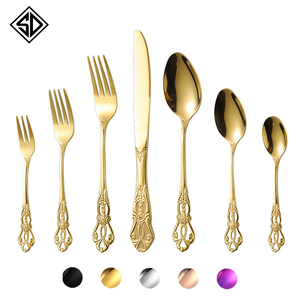
Eliminating hazardous polishing compounds and adopting closed-loop electro-polishing and physical vapor deposition (PVD) gold/matte coatings ensures compliance with European REACH standards and global ESG reporting requirements.
Prior to executing high-volume purchase orders or committing to OEM custom tooling, procurement teams must conduct a thorough audit of the factory's operational infrastructure. Utilize this standardized benchmark checklist:
Backed by decades of metallurgical mastery and established manufacturing facilities in major industrial hubs, our direct manufacturing network supplies global bulk buyers, importers, and commercial hospitality chains with top-tier kitchenware, flatware, and steamer products.
Eliminate intermediary trading margins. Buy directly from the production facility with transparent per-kilogram or per-piece bulk pricing tiers structured for maximum margin expansion.
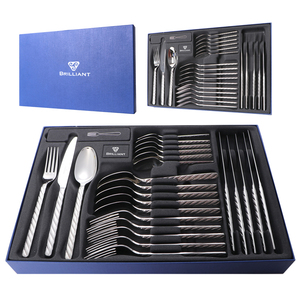
Whether you require custom laser-etched brand logos, custom PVD colorways (Gold, Rose Gold, Matte Black), or specialized retail color box packaging, our design engineering team accommodates custom requests effortlessly.
Strategically situated near primary deep-water container ports with rapid customs clearance documentation (Certificate of Origin, Form E, Bill of Lading, SGS/Intertek inspection reports).
Get expert answers to common queries regarding material selection, factory minimum orders, pricing structures, and custom OEM steamer manufacturing.
Partner directly with a trusted ISO-certified manufacturer. Submit your technical specifications, required grades, and container volume targets for a prompt, competitive factory-direct quotation.
Contact Us