
Parin SteelsStainless Steel Kitchenware Manufacturer
Engineered for high-traffic commercial dining, luxury weddings, and retail wholesale distribution across Ghana and West Africa.
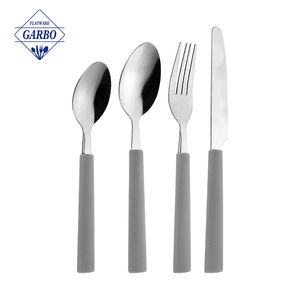
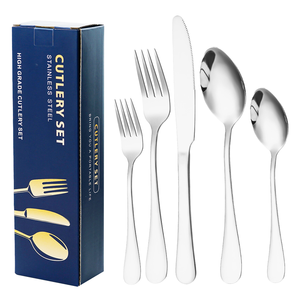

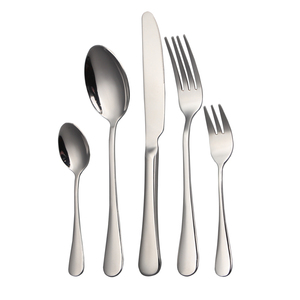
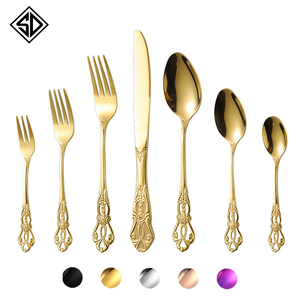
Ghana’s rapid economic urbanization, expanded hospitality investment in Accra, Kumasi, and Sekondi-Takoradi, and a booming event catering sector have fundamentally changed tabletop supply chain demands. For Ghanaian importers, hotel procurements managers, and restaurant supply wholesalers, procuring commercial-grade napkin holders and tissue dispensers directly from China's OEM factories is no longer merely a pricing decision—it is an operational requirement for brand reputation, material longevity, and unit economics.
As a leading OEM/ODM stainless steel kitchenware manufacturer with comprehensive deep-drawing, stamping, laser-engraving, and surface-plating capabilities, our enterprise bridges the gap between precision Chinese manufacturing and local Ghanaian market preferences. This industry guide unpacks material metallurgical specifications, localized application environments, logistics optimization via Tema Port, and cost-control strategies tailored specifically for West African enterprise buyers.
Key Strategic Insight: Sourcing stainless steel napkin dispensers engineered with higher nickel and chromium ratios (SS 202/304) prevents coastal atmospheric oxidation in coastal hubs like Accra and Cape Coast, extending product lifespan by up to 300% compared to standard tinplate or lower-grade wire dispensers.
The Ghanaian commercial dining market exhibits a distinct dual demand structure. On one side, fine dining establishments, international hotel brands (such as those situated in Airport Residential Area and Ridge, Accra), and high-end event rental providers require high-aesthetic, PVD gold-coated, or polished matte-black tabletop napkin caddies. These products serve as visual accents that elevate customer perception and support premium pricing models.
On the other side, high-density fast-casual eateries, chop bars, and quick-service restaurant (QSR) chains operating in markets like Kejetia (Kumasi) or Makola (Accra) demand ultra-durable, spring-loaded, single-napkin dispensers made of heavy-gauge stainless steel. These commercial units prevent tissue waste, protect paper products from humidity and grease splatter, and survive daily cleaning with aggressive sanitizing agents.
Formulated with premium SS 202, 304, and 316 grades. Resists pitting corrosion caused by high salt atmospheric levels in coastal Ghanaian cities.
Stamped from 18 to 22 gauge solid sheet steel. Built to endure drop impacts, heavy stacking, and intense commercial usage without denting.
Physical Vapor Deposition (PVD) titanium plating ensures gold and rose-gold finishes will not chip, peel, or fade under high temperature washing.
To maximize sales velocity, Ghanaian distributors must align their imported napkin holder inventory with the operational demands of specific local end-users. Our factory provides custom packaging, custom laser branding, and tailored design configurations for four key Ghanaian market segments:
Luxury beach resorts, rooftop lounges in Osu, and international hotel chains demand sophisticated napkin holders that match luxury flatware. Flat upright napkin holders with intricate cutout motifs, baroque gold styling, or sleek Nordic pillar geometries dominate this segment. Importers serving this tier require pristine mirror polishing, smooth deburred edges, and corrosion protection against humidity.
Events represent one of the largest revenue streams in Ghana's commercial serveware economy. Funeral celebrations and lavish wedding receptions in Ghana often host hundreds to thousands of guests. Rental companies require stackable, lightweight yet sturdy stainless steel napkin holders that can be repeatedly transported in crates without scratching or bending. High-gloss chrome and PVD gold finishes are heavily prioritized by local event planners.
Urban food hubs demand maximum utility. Open-air chop bars serving traditional dishes like fufu, banku, and waakye need tabletop napkin dispensers that shield paper napkins from moisture, palm oil splashes, and dust. Box-style stainless steel dispensers with weighted tension arms keep napkins securely in place against coastal breezes while ensuring diners pull only one napkin at a time, lowering tissue expenditure for restaurant owners by up to 35%.
University dining halls, government complex cafeterias, and hospital facilities across Ghana require high-volume vertical napkin dispensers. These dispensers feature dual-sided access, heavy rubber non-slip bases, and lockable refill compartments. Stainless steel grade SS 202 or 304 is mandatory to meet health inspector sanitization requirements.
Understanding raw material performance empowers Ghanaian buyers to optimize product cost against functional longevity. Below is our engineering comparison table for napkin holder and tabletop serveware manufacturing options:
| Material / Finish Grade | Chemical Composition | Corrosion Resistance | Cost Index | Recommended Ghana Application |
|---|---|---|---|---|
| SS 201 Commercial Grade | 16-18% Cr, 1% Ni, 5.5-7.5% Mn | Moderate (Keep dry indoors) | $$ (Cost-Effective) | Budget retail, inland chop bars, indoor cafeterias |
| SS 202 Value Standard | 17-19% Cr, 4-6% Ni, 7.5-10% Mn | Good (Daily commercial wear) | $$$ (Balanced) | Mass-market restaurant supply, event rentals |
| SS 304 Premium Food Grade | 18-20% Cr, 8-10.5% Ni | Exceptional (Coastal rust-proof) | $$$$ (High-End) | Coastal Accra hotels, luxury resorts, food-contact dispensers |
| PVD Gold / Rose Gold Finish | Titanium Nitride Plating over SS 304 | Maximum (Scratch & chemical proof) | $$$$$ (Premium) | Luxury wedding hire, VIP hotel lounges, gift sets |
The West African tabletop hardware market is experiencing three major transformations driven by Ghanaian enterprise buyers:
Environmental awareness and municipal waste regulations across Accra and Kumasi are accelerating a shift away from cheap, brittle plastic napkin dispensers toward infinitely recyclable stainless steel. Commercial buyers recognize that metal units offer a lower total cost of ownership (TCO) because they withstand years of daily cleaning without discoloring or cracking.
Ghanaian restaurant owners increasingly view every tabletop item as a branding touchpoint. Our factory supports high-precision fiber laser etching and deep-stamping, allowing importers to order napkin holders pre-branded with their client's restaurant logos, hotel crests, or distributor marks directly at our production line in China.
Shipping costs and customs efficiency are critical for Ghanaian B2B profitability. Experienced importers avoid buying isolated small orders. By consolidating napkin holders, cutlery sets, chafer dishes, and tabletop serveware into unified 20ft or 40ft HQ containers shipped directly from Ningbo/Shanghai to Tema Port, buyers minimize freight costs per unit and streamline ECOWAS customs clearance.
Partnering directly with an established Chinese manufacturer eliminates intermediary trading markups and ensures strict quality control from raw steel coil selection to final ocean container loading.
Our factory houses over 120 precision stamping presses and automated die-casting equipment capable of fabricating custom geometric napkin holder designs within 15 days of CAD approval.
Every production batch undergoes salt-spray rust testing, edge-smoothness deburring verification, and 100% surface polish inspection prior to export packing.
Cartons are reinforced with 5-ply corrugated walls, moisture-absorbent desiccant packs, and poly-bagged unit wraps to protect mirror finishes against ocean humidity during ocean transit.
Here are detailed answers to common procurement, logistics, and technical questions asked by importers and wholesalers in Ghana:
Connect directly with our export team in China to receive competitive factory pricing, customized product catalogs, and fast sample dispatch for your Ghanaian business.
Send an Inquiry