
Parin SteelsStainless Steel Kitchenware Manufacturer
Discover our certified SS 304 and SS 316 spice containment systems engineered with airtight silicone seals, moisture-proof lids, and precision metal finishes tailored for Swiss importers and B2B distributors.
 SS 304 Grade
 Mirror Finish
 HoReCa Spec
 Matte Series
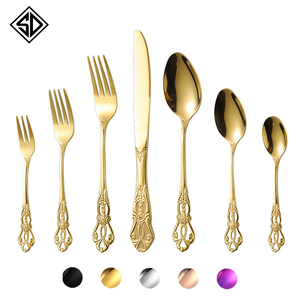 Luxury Gold PVD
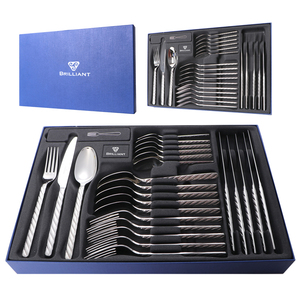 Heavy 18 Gauge
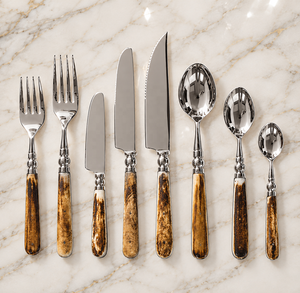 Classic Series
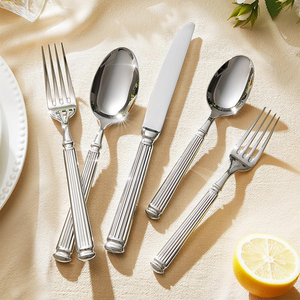 Dual Finish
Switzerland’s gastronomic landscape is undergoing a dramatic dual transformation. On one hand, modern metropolitan epicenters such as Zurich, Geneva, Basel, and Lausanne are experiencing unprecedented demand for global fusion cuisines—ranging from authentic Indian curries and Middle Eastern za'atar blends to Southeast Asian street food concepts. On the other hand, traditional Swiss culinary establishments in mountain cantons (Valais, Graubünden, Bernese Oberland) are adopting complex botanical spice blends to elevate artisanal charcuterie, alpine cheese fondues, and winter stew recipes.
However, Switzerland's unique topography presents distinct environmental challenges for spice preservation. The sharp atmospheric contrast between humid summer valley bottoms and sub-zero, low-humidity alpine winters induces rapid humidity cycles. When exposed to fluctuating micro-climates, volatile spice aromatics—such as essential terpenes in cardamom, piperine in black pepper, and curcumin in turmeric—undergo oxidization and moisture-induced agglomeration (clumping). Cheap plastic containers or non-hermetic wooden boxes lead to volatile oil degradation within weeks.
Strategic Information Gain for Importers: Essential oils in premium spices vaporize at temperatures as low as 20°C when unsealed. Our double-walled, airtight stainless steel spice boxes mitigate thermal transfer and maintain a zero-UV, hermetically regulated micro-environment, extending spice aromatic shelf-life by up to 300% compared to traditional glass or plastic retail packaging.
Furthermore, Swiss consumers and municipal regulators enforce some of the world's most stringent environmental sustainability directives. Single-use plastics are aggressively phased out under cantonal waste management laws. In this regulatory climate, Swiss retailers, boutique department stores (such as Manor and Globus), and commercial HoReCa buyers actively seek durable, infinitely recyclable, food-grade stainless steel kitchenware. Importing high-nickel austenitic stainless steel spice boxes directly satisfies both the functional demand for spice longevity and the legal mandate for eco-conscious compliance.
As a leading international manufacturer and exporter, Parin Steels enforces uncompromising metallurgical standards across all export-bound spice containers. The chemical composition of the steel directly dictates its resistance to organic acids, salt corrosion, and structural deformation over decades of daily commercial dishwashing.
| Parameter | Commercial Grade (SS 202) | Food-Grade Standard (SS 304) | Pharma & Alpine Grade (SS 316) |
|---|---|---|---|
| Chromium Content | 14.0 % - 16.0 % | 18.0 % - 20.0 % | 16.0 % - 18.0 % |
| Nickel Content | 1.0 % - 4.0 % | 8.0 % - 10.5 % | 10.0 % - 14.0 % |
| Molybdenum Additive | None | None | 2.0 % - 3.0 % (Pitting Resistance) |
| Acid & Salt Resistance | Moderate (Dry Storage Only) | High (Resists Organic Acids & Salts) | Extreme (Resists Highly Acidic Pickles & Chlorides) |
| Swiss Compliance | Value Household Markets | LFGB & Swiss Food Act Compliant | Premium Luxury & Commercial HoReCa |
| Surface Passivation | Basic Polish | Electropolished Electro-Passive Layer | Triple-Stage Ultrasonic Passivation |
When raw spices containing ambient moisture and essential organic acids sit inside a container, inferior metal alloys release metallic ions into the food matrix, causing metallic off-tastes and micro-rusting along container seams. Our SS 304 and SS 316 spice boxes undergo chemical electro-passivation. This process removes free iron from the surface and creates an invisible, self-healing Chromium Oxide (Cr₂O₃) layer. Even when exposed to acidic tamarind powder, sumac, or sea salt, the container wall remains completely non-reactive and inert.
Engineered with a primary stainless steel outer cover and an inner shatterproof acrylic or stainless disk, preventing aroma cross-contamination between individual spice cups.
Standard 7-cup layout (Masala Dabba) alongside custom 4-cup, 6-cup, and 9-cup removable insert options designed for precise culinary workflow management.
Optional medical-grade platinum silicone seals around the outer rim eliminate atmospheric moisture transfer, achieving zero moisture ingress even under humid mountain conditions.
Manufactured using high-tonnage hydraulic presses for seamless single-piece cup construction—eliminating internal crevices where bacteria or spice dust could accumulate.
High-precision fiber laser branding allows Swiss importers to etch custom logos, cantonal insignias, or multi-lingual spice names (German, French, Italian, English) directly onto metal lids.
Available in robotic mirror polish (Ra < 0.2 µm) or matte brushed satin finish, resisting fingerprint smudges and preserving visual aesthetics through thousands of service cycles.
Our stainless steel spice containers are versatile workhorses designed to fulfill specific operational and retail demands across Switzerland's distinct business sectors:
In high-altitude resort hotels (St. Moritz, Zermatt, Davos) and Michelin-starred urban restaurants, chef efficiency is paramount. Having a 7-in-1 organized stainless steel masala dabba allows kitchen staff to access core seasoning components—salt flakes, pink pepper, juniper berries, saffron, nutmeg, and micro-herbs—in a single fluid gesture during fast-paced dinner services.
Swiss consumers in cities like Zurich and Bern lead Europe in organic food consumption per capita. Boutique grocery stores offer custom gift packages containing exotic organic spice sets housed inside luxury gold PVD or mirror-finished stainless boxes. These reusable boxes serve as sustainable lifetime kitchen heirlooms.
Switzerland is famed for its traditional herbal remedies and alpine tea blends. Specialty tea packagers utilize our large-capacity 18-gauge SS 316 multi-compartment boxes during the manual blending and quality-tasting phase, ensuring zero cross-contamination of volatile floral notes.
European culinary subscription brands supply Swiss households with monthly curated spice kits. Standardized stainless steel spice boxes serve as the core hardware anchor in these subscription models, driving long-term customer loyalty and repeat spice refill sales.
Based in Mumbai’s historic steel manufacturing hub on Panjrapole Road, Parin Steels (managed under the leadership of Kekin Shah) operates as a primary manufacturer and global exporter of stainless steel kitchenware. Unlike trading intermediaries, we control every phase of production—from raw coil slitting and deep drawing to automated polishing, laser engraving, and export packaging.
Yes. Our SS 304 and SS 316 spice boxes strictly comply with Swiss Food Safety Act (LMG 817.0) regulations and European Regulation (EC) No 1935/2004 (LFGB). They are completely free from lead, heavy metals, BPA, phthalates, and synthetic coatings, making them 100% food safe for raw spices, salts, and acidic food contact.
SS 304 contains 18% Chromium and 8% Nickel, offering exceptional rust and organic acid resistance suitable for 95% of household and culinary applications. SS 316 includes an added 2-3% Molybdenum, providing extra immunity against aggressive chlorides, salty atmospheric conditions in alpine winters, and highly acidic spice marinades. SS 316 is recommended for high-end commercial HoReCa and industrial blending applications.
Bulk utensils from India are generally quoted per piece or per set based on gauge weight, stainless steel grade market index, and surface finish. For international sea freight, spice boxes are nested with protective poly-interleaving, packed into heavy-duty 5-ply corrugated master cartons, and palletized on ISPM-15 heat-treated wooden pallets to prevent transit damage.
Absolutely. We offer high-resolution fiber laser etching directly on the outer lid or individual inner cups. We can etch custom brand logos, cantonal artwork, or localized spice names (e.g., *Pfeffer, Salbei, Kümmel, Safran* for German cantons or *Poivre, Sauge, Carvi, Safran* for Romandie region clients).
Production lead time typically ranges between 15 to 25 days depending on order volume and customization details. Transit time via ocean vessel from Nhava Sheva (JNPT), Mumbai to Northern European ports (Rotterdam/Hamburg) is approximately 22–28 days, followed by rail/barge transport to Basel customs terminals.
We supply spice containers in 18 gauge (1.2 mm - heavy duty commercial), 20 gauge (0.9 mm - premium balanced), and 22 gauge (0.7 mm - lightweight cost-effective retail). 20 gauge is our most popular specification for European retail gift sets, offering a solid structural hand-feel without excess shipping weight.