
Parin SteelsStainless Steel Kitchenware Manufacturer
Direct-factory B2B supply engineered with precision deep-drawing, uniform gauge thickness, mirror polish, and structural integrity for Mexico City bulk importers.

In the rapidly evolving commercial kitchenware, food processing, and industrial supply markets of Mexico City (Distrito Federal / CDMX), procurement directors, commercial importers, and wholesale distributors require robust stainless steel vessels that deliver high structural integrity, exact metallurgical compliance, and favorable total cost of ownership (TCO). The traditional Tasla Bowl (also known globally as a Parat, Ghamela, Deep Mixing Bowl, or Tazón de Mezcla / Amasado) represents a core consumable and operational staple across Mexico's vast gastronomy, bakeries, artisan food processing, and construction mixing sectors.
As a premier manufacturer based in Mumbai, India—operating at the heart of global stainless steel utensil export logistics—Parin Steels (directed by Kekin Shah) manufactures precision deep-drawn stainless steel Tasla bowls engineered specifically to meet the rigorous demands of Mexico City’s high-altitude urban gastronomy, commercial food processing hubs such as Central de Abasto, and regional industrial enterprises.
Choosing the correct raw material coil grade ensures that imported Tasla bowls perform seamlessly under local environmental and chemical stress without pitting, staining, or structural deformation under impact. Parin Steels processes four primary raw material grades for international export:
| Steel Grade | Chemical Composition | Corrosion & Acid Resistance | Ideal CDMX Market Application | Cost-to-Performance Ratio |
|---|---|---|---|---|
| SS 304 (18/8) | 18% Cr / 8% Ni (Austenitic) | Commercial HoReCa, Polanco & Condesa restaurant chains, export-oriented food processing plants. | Premium investment, highest longevity, 100% compliant with international health codes. | |
| SS 202 | 16-18% Cr / 4-6% Ni / Mn | Wholesale retail markets, Central de Abasto distributors, high-volume bakery chains. | Optimal B2B volume seller; balances brilliant mirror finish with competitive per-kg price points. | |
| SS 201 | 14-16% Cr / Low Ni / High Mn | Budget retail promotions, hardware distribution, light commercial storage. | Maximum economical advantage for price-sensitive retail channels. | |
| SS 316 | 16-18% Cr / 10-14% Ni / 2-3% Mo | Specialized food chemistry labs, industrial pickle & hot sauce manufacturing plants. | Specialty heavy-duty grade for extreme chemical exposure. |
The performance of an industrial Tasla bowl relies heavily on the mechanical deep-drawing process. When raw stainless steel circles undergo hydraulic pressing, improper die clearance can result in wall thinning at the lower bend radius, leading to cracking under heavy loads. Parin Steels solves this engineering challenge through:
Importers purchasing from India must match sheet gauge (calibre) with the target end-use in Mexico City. Below is our engineering recommendation matrix for sheet thickness:
Heavy-Duty Commercial & Industrial: Designed for high-stress applications such as mass dough kneading in panaderías, heavy ingredient mixing, and concrete/mortar mixing pans (ghamela/tasla industrial) in construction.
Professional Kitchen Standard: The sweet spot for restaurant kitchens, catering services, and food prep in Central de Abasto. Offers exceptional dent resistance without excessive container freight weight.
Consumer Retail & Household: High-volume retail packs, supermarket chains, and general household serveware. Provides an attractive mirror finish at an economical landed cost per unit.
How stainless steel Tasla bowls and kitchenware serve diverse commercial, culinary, and industrial sectors across the CDMX metropolitan region.
In North America’s largest wholesale food market (Central de Abasto in Iztapalapa), vendors and food processors utilize heavy-duty SS 304 Tasla bowls for bulk salsa blending, taco meat marination, and continuous vegetable washing. The wide basin flat bottom prevents tip-over during high-speed manual mixing.
Mexico City’s iconic bakeries (Panaderías) and tortilla preparation plants require non-reactive SS 202 and SS 304 mixing vessels (Tasla / Parat) for flour dough fermentation and corn masa blending. Stainless steel does not absorb fats, yeasts, or odors, ensuring total compliance with NOM-251-SSA1-2009 health protocols.
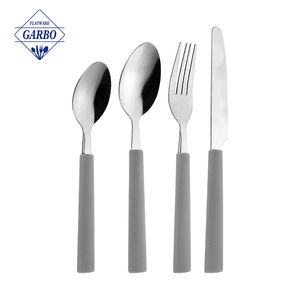
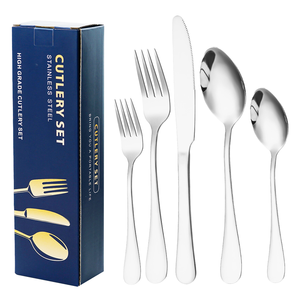
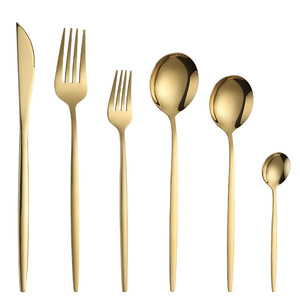
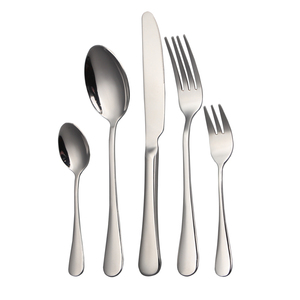
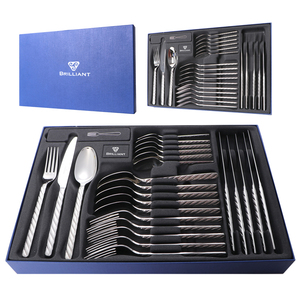
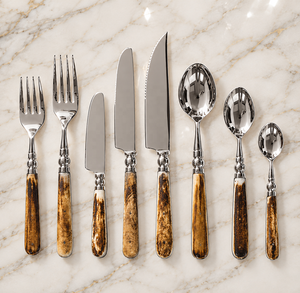
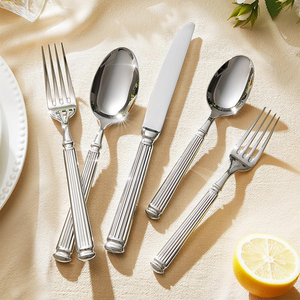
High-end dining establishments in upscale CDMX districts specify mirror-polished, seamless stainless steel kitchenware for open kitchen prep areas. Our custom PVD gold and satin finished tableware items complement Tasla prep bowls, offering an immaculate sanitary environment under heavy daily usage.
From candy making in Xochimilco to traditional mole manufacturing in Milpa Alta, regional artisanal food producers require thick-gauge 18G SS 304 Tasla basins that withstand thermal transfer during ambient cooling of boiled sugar and spiced paste mixtures without thermal warping.
Understanding economic drivers, nearshoring shifts, and port import pathways for Mexican hardware & kitchenware importers.
Federal health regulations across Mexico are increasingly penalizing the use of porous plastic tubs and reactive aluminum vessels in commercial food operations. Stainless steel Tasla bowls provide non-leaching, non-porous performance compliant with COFEPRIS sanitary guidelines, leading to a surge in wholesale replacement demand.
Importers operating out of Mexico City are bypassing expensive European and American intermediary trading houses by establishing direct OEM manufacturing contracts with Indian factories like Parin Steels. Sourcing from Mumbai yields a 25% to 40% reduction in landed unit cost, even after accounting for maritime freight and TIGIE customs tariffs.
Ocean cargo departs from Nhava Sheva (JNPT), Mumbai, traversing the Pacific shipping lane directly to Mexico’s primary Pacific gateways: Manzanillo or Lázaro Cárdenas. From there, goods are transported via bonded rail or secure highway transport directly to CDMX dry port customs warehouses (such as Pantaco or Vallejo) within 32 to 38 total transit days.
Led by industry veteran Kekin Shah in Mumbai, India—delivering verified material traceabilities, competitive per-kilogram pricing, and strict container loading standards.
Located on Panjrapole Road, Mumbai, our facility controls the complete manufacturing chain—from steel circle shearing and hydraulic deep drawing to rim rolling, polishing, and export packaging. Buyers deal directly with our owner Kekin Shah and technical staff.
Indian stainless steel utensils are standardly priced per kilogram of finished product for transparent material valuation, alongside fixed per-piece or per-set rates for custom-designed cutlery and tableware collections. No hidden alloy surcharges.
Tasla bowls and deep basins feature engineered wall angles that allow seamless nested stacking inside export master cartons. This significantly maximizes volumetric load efficiency, reducing ocean freight costs per unit into Manzanillo port.
Answers to common queries regarding customs duties, HS codes, NOM certification, freight routes, and ordering procedures for Mexico City importers.
Stainless steel Tasla mixing bowls, parats, and kitchenware generally classify under HS Code 7323.93.01 (Table, kitchen or other household articles of stainless steel). Import tariffs under Mexico’s TIGIE depend on current trade decrees, typically ranging between 15% to 25% MFN, unless cleared under specific IMMEX or sectorial promotion programs (PROSEC). We provide complete export documentation to streamline customs clearance in Manzanillo or Veracruz.
Our SS 304 food-grade stainless steel bowls and utensils comply with Mexican food safety guidelines (including NOM-251-SSA1-2009 for hygienic food preparation practices) as well as international FDA / EU standards. SS 304 is non-reactive, leach-free, and resistant to organic acids found in Mexican cuisine.
For standard Tasla bowl sizes and standard kitchenware lines, our export MOQ starts at 1,000 pieces per SKU, or a consolidated mixed-category order of at least 1 x 20ft FCL container (approx. 5,000 to 8,000 kg depending on product selection). Mixed containers featuring bowls, plates, saucepans, and canisters are highly recommended to optimize shipping costs.
In India’s stainless steel utensil manufacturing sector, commercial utility items like Tasla bowls, topes, containers, and plates are standardly quoted per kilogram of finished net weight for the selected steel grade and gauge. Specialized cutlery, gold-coated tableware, and boxed dinner sets are quoted on a per-piece or per-set basis.
Yes. We offer custom bottom laser marking and die-embossing for buyer logos, brand names, gauge markings, and "HECHO EN INDIA / SS 304" origin stamps. Packaging can also be customized with Spanish barcode labeling, inner color boxes, or bulk master cartons aligned with Mexican retail distribution standards.
Factory production typically requires 20 to 30 days depending on container volume. Maritime transit from Nhava Sheva (JNPT) Port, Mumbai to Manzanillo or Lázaro Cárdenas Port takes approximately 28 to 32 days. In-land rail or truck freight from the port to Mexico City customs hubs takes an additional 3 to 5 days. Total estimated turnaround is 55 to 65 days from deposit confirmation.
Are you an importer, hardware distributor, or commercial kitchenware wholesaler in Mexico City? Contact Parin Steels today to receive our comprehensive catalog, steel grade mill certificates, and FOB Mumbai / CIF Manzanillo container pricing.
Get Catalog